If time is limited and the same for everyone, the difference lies in HOW we use what we have available. reporting in real time what we are doing, and always being connected. When we talk about Time Management, we refer to the process of planning and allocating time to specific activities. Careful time organization will allow us not to be at the mercy of our commitments, but to adapt them to ourselves. As our awareness of the value of our time increases, we will gain awareness of our style and discover ourselves to be much more effective. It is important to reflect on how to best organize our time to have tools to focus on priorities and (re)find pleasure and concentration in what we do: thus being both efficient and effective. It is essential to start from the awareness of how we use our time, looking at ourselves objectively to understand how we "function," what determines our choices, what is important to us, what our style is. The questions to ask are: how do we decide? How do we assign the day's priorities and organize our agenda? Behind every choice are our values and needs. The goal is to lead a life as serene and balanced as possible that brings us satisfaction and well-being, in line with our values and the authentic expression of the self. To do this, we must start from the concept of priority: we need to choose what to do first, the activities to do personally and those to have done, to delegate. We have many things to do, we have goals and we should organize the things to do in relation to achieving the goals. It sounds easy to say, but we tend to do many things, filling our time with perhaps the feeling of being efficient; in reality, we do many activities but find ourselves far from our set goals: that is, being efficient but not very effective, with the feeling of having "run in circles"; this is where stress comes from. Efficiency: allows us to do many things and, in the best case, to do them well. Effectiveness: allows us to do the right things, those that really bring us closer to our goals. Well-organized people, with good management of their priorities, manage to be both efficient and effective, thus doing in the right order and without unnecessary waste of time the things that need to be done to achieve their goals. Habits are automatic behaviors in response to certain stimuli. They form because the brain is always looking for ways to save time and energy. Habits are very powerful: they can be positive and useful, but also negative and harmful, and block us. Some good habits: 1. Put yourself first: protect your physical and mental health. Listen to yourself. 2. Plan activities thinking about how to invest the time resource: productive people think about the time available and then choose the activity to do and complete. 3. Define your own method: for everyone there is the best time of day to perform certain activities. 4. Define priorities. Important is a subjective concept: what I consider important may not be so for someone else and vice versa. Urgent, on the other hand, is objective, and applies to all those activities that require targeted and immediate attention. 5: Have a proactive attitude: numerous studies have shown that happiness increases productivity and the chances of success. 6. Use technology as a valuable tool. 7. Work with passion: energy is greater, you are more focused and motivated. 8. Take breaks, to regenerate and recharge. 9. Regularly train focus, the ability to avoid procrastination. Even by minimizing distractions and saying NO when you can't, or don't want to. 10. Manage the unexpected: fundamental to coping with the unexpected is to plan for it, setting aside a reserve of time to handle it when it comes! · How do I use my time? · What is my time management style? · What are my best habits regarding productivity? For further information and questions, feel free to contact me, 1. Premise: time management and well-being
Today, even looking at all the communication opportunities at our disposal, we feel we must respond to a social imperative that has to do with responding immediately to stimuli,2. Time organization and stress management: insights and strategies
3. Time management: the habits of productive people
Being more productive means working effectively and smartly, not just working more hours. With useful and empowering habits, you optimize your working life and maximize results.
4. To conclude: POINTS FOR REFLECTION

TIME MANAGEMENT: RIFLESSIONI INTRODUTTIVE
TIME MANAGEMENT: RIFLESSIONI INTRODUTTIVE
2020-09-23 13:24
2020-09-23 13:24
Array() no author 89563
psicologia applicata, caterina-de-micheli, time-managment,
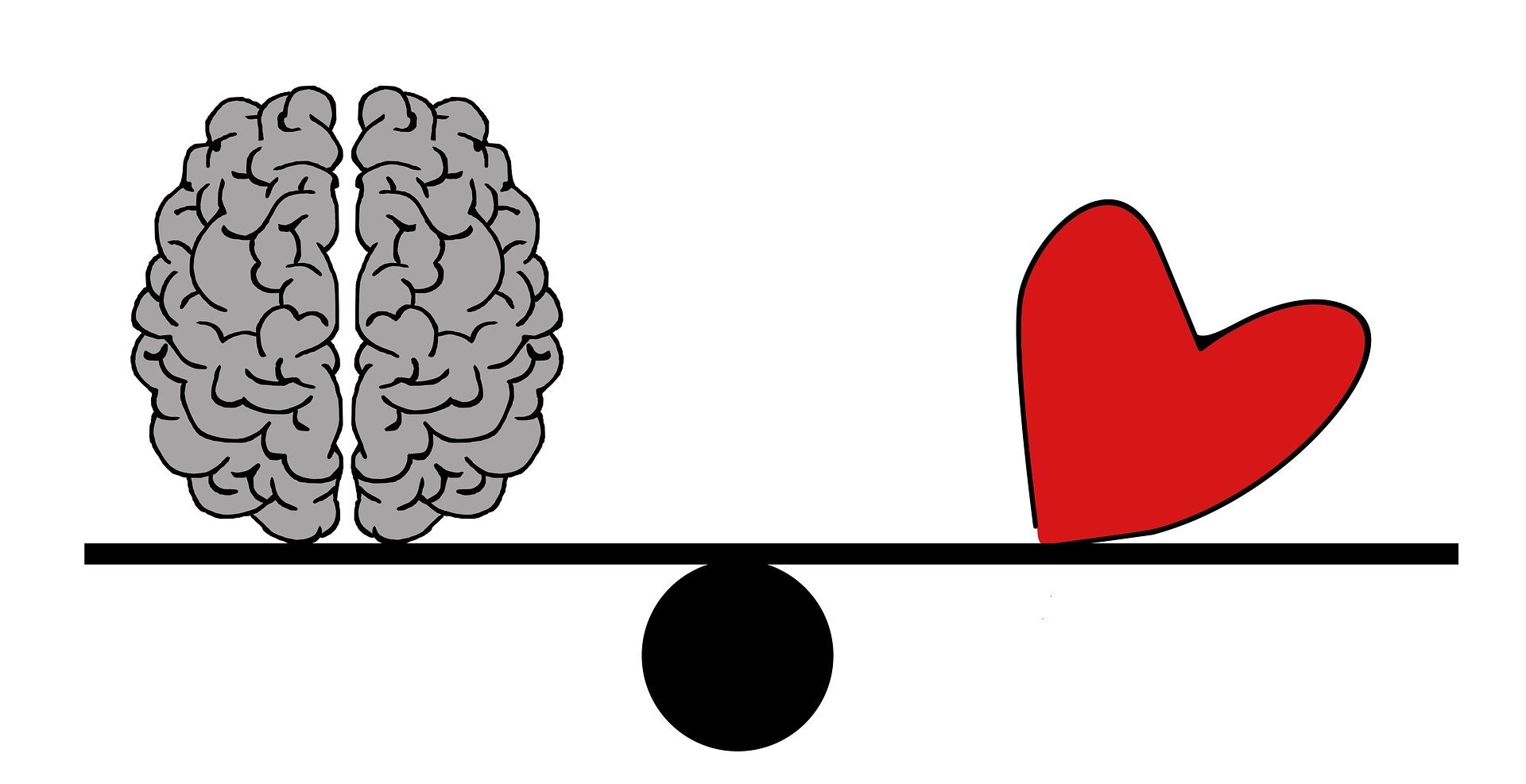
Se il tempo è limitato e uguale per tutti, la differenza sta nel COME si utilizza quello che abbiamo a disposizione...
Cookie & Privacy Policy
Cookie & Privacy Policy